If you garden in Cincinnati or the surrounding suburbs, you already know one of the region’s most persistent landscape challenges: deer. One evening, your beds look full and thriving. By morning, tulips are 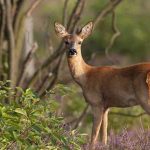 clipped, hostas are tattered, and young shrubs have been nibbled down.
The good news is that a beautiful garden and neighborhood deer can coexist. With the right mix of low-browse plants, it’s possible to create a landscape that still feels lush, layered, and colorful.
Whether you’re refreshing a front walk in Hyde Park, reworking foundation beds in Mason, or planting a woodland edge in Loveland, these deer-resistant choices can help you build a garden with lasting style.
Why Deer Are Such a Challenge in Cincinnati Gardens
The Greater Cincinnati area gives deer almost everything they want: wooded corridors, quiet neighborhoods, irrigated beds, and tender new growth. Gardens near tree lines, creeks, parks, and undeveloped lots tend to see the most browsing, but even established suburban landscapes are not immune.
That is why smart plant selection matters so much. Choosing plants deer tend to avoid will not make a garden invisible, but it can make it far less appealing.
Best Deer Resistant Perennials for Sunny Cincinnati Gardens 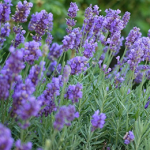
Sunny borders can still be full of color and pollinator appeal without becoming an open invitation.
Salvia
A longtime garden favorite with upright spikes of blue, violet, pink, or white flowers. Its aromatic foliage is part of what makes it a dependable low-browse option.
Lavender
Loved for its fragrance, silvery foliage, and timeless cottage-garden character. It performs best in sunny sites with good drainage.
Yarrow
Fine-textured foliage and flat flower clusters give yarrow a soft, airy look. It is especially useful in hot, dry beds.
Peony
Large, romantic blooms and elegant foliage make peonies a classic investment plant for Cincinnati gardens.
Black-Eyed Susan
Cheerful and easygoing, this summer bloomer brings warmth and a naturalistic feel to borders and pollinator plantings.
Best Deer Resistant Plants for Shade
Shade gardens are often hit hardest, especially when they rely on deer favorites like hostas. Fortunately, there are graceful alternatives. 
Hellebore
Glossy foliage and early blooms make hellebores one of the most rewarding plants for part shade and shade.
Brunnera
Known for its heart-shaped leaves and delicate blue flowers, brunnera adds a soft woodland feel.
Epimedium
A refined, underused perennial that thrives under trees and in dry shade.
Heuchera villosa
This foliage plant adds richness and texture, especially when mixed with ferns and other shade lovers.
Tiarella
Foamflower brings a natural, layered look to woodland-inspired plantings.
Shrubs That Hold Their Own Against Deer
Shrubs give gardens their structure. They anchor beds, frame entrances, and provide year-round presence. 
Boxwood
Still one of the most versatile evergreen shrubs for formal or informal landscapes.
Spirea
An easy-care flowering shrub that fits neatly into traditional and modern plantings alike.
Forsythia
When it blooms, spring feels like it has fully arrived. Its bright yellow branches are hard to miss.
Beautyberry
A standout in fall, especially when its vivid purple berries appear.
Caryopteris
With soft blue flowers late in the season, this shrub adds color just when many summer plants begin to fade.
Ornamental Grasses Deer Often Ignore
Ornamental grasses are among the hardest-working plants in a Midwestern landscape. They add softness, movement, sound, and winter structure. 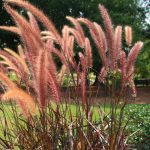
Miscanthus
Tall, graceful, and dramatic, especially in larger borders.
Switchgrass
A beautiful native-style choice with upright form and seasonal color.
Feather Reed Grass
Neat and vertical, ideal for structured beds and tight spaces.
Carex
A useful option for soft edging and natural-looking plant combinations.
Plants Deer Commonly Prefer
If deer are frequent visitors, these are the plants most likely to need protection or replacement:
Tulips, hostas, daylilies, roses, impatiens, arborvitae, and other tender new growth are often especially appealing. These can still be used, but they are best planted strategically and with the expectation that they may need seasonal protection.
Smart Ways to Protect New Plantings
Even deer resistant plants are most vulnerable when newly planted. Young growth is tender, easy to reach, and more tempting.
Temporary netting, seasonal repellents, and thoughtful placement can all help. It is also wise to avoid putting highly desirable plants near woodland edges or along deer travel paths. Repetition helps too. Massing low-browse plants can make an entire bed less inviting.
Where to Find Low-Browse Plants for Your Garden
If you’re planning a deer-conscious landscape, explore our Low Browse Deer Plant Collection for ideas, inspiration, and plants selected with this exact challenge in mind.
Final Thought
A Cincinnati garden does not have to be defined by what deer might eat. With the right mix of shrubs, grasses, perennials, and shade plants, you can create a landscape that feels lush, elegant, and resilient through every season.
The most successful gardens are not only beautiful. They are beautifully adapted.
For over 100 years, we have been growing plants. Have a question? Ask our experts!
 print
print