Hydrangea Tree Care Tips
A hydrangea tree adds height, structure, and showy blooms to the landscape. Although it looks like a small tree, it is actually a hydrangea shrub trained into tree form. With the right watering, pruning, and support, your hydrangea tree can stay healthy, upright, and full of flowers.
What Is a Hydrangea Tree? 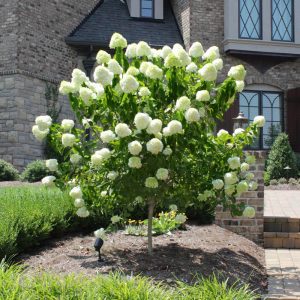
A hydrangea tree is not a true tree. It is a hydrangea shrub that has been pruned and trained into a tree form, sometimes called a “shrub on a stick.” Its care is very similar to standard shrub hydrangeas, but the trunk and top-heavy blooms often mean it needs extra attention with pruning and staking.
Quick Care at a Glance
Best Spot
Plant your hydrangea tree in full sun to part sun in a location that is protected from strong winds. Wind can cause leaning, bending, or stress, especially when the plant is covered in heavy blooms.
Watering
Hydrangea tree care starts with proper watering. Hydrangeas like even moisture, but they do not want soggy soil.
-
Check the soil 2–3 inches down
-
If the soil feels dry, water deeply
-
If the soil feels damp, wait before watering again
-
Water slowly at the base so the roots get a deep soak
-
Let the soil surface dry slightly before the next watering
-
New plants, container plants, and hydrangeas in hot weather need more frequent checks
Signs of Overwatering
Too much water can cause problems. Watch for these signs:
-
Soil that stays wet or muddy
-
Yellowing leaves
-
Wilting when the soil is already wet
Feeding
Use a balanced flowering shrub fertilizer during the growing season. Always follow the product label for timing and application rates.
General Care
Watering, feeding, and deadheading are generally the same as with shrub hydrangeas.
Pruning: The #1 Bloom Tip
One of the most important parts of hydrangea tree care is proper pruning. Prune in early spring before new growth starts.
How to Prune a Hydrangea Tree
-
Remove dead stems
-
Remove small inward-growing shoots
-
Remove crossing branches to improve airflow
-
Lightly shape the canopy to help it stay strong and balanced
Long branches can flop under the weight of blooms, so shaping helps keep the plant tidy and upright.
Pro Tip
Make pruning cuts at an angle about ¼ inch above a set of buds.
Optional Deadheading
You can deadhead in late summer or fall for a cleaner appearance.
Support and Staking
Hydrangea trees often need support for 3–5 years or longer while the roots and trunk strengthen.
How to Stake a Hydrangea Tree
-
Place one sturdy stake parallel to the trunk
-
Use a stake that is as thick as the trunk or thicker
-
Tie the trunk in 2–3 places
-
Use a figure-8 loop to prevent rubbing
-
Check ties monthly and loosen them as the trunk expands
Heavy blooms and storms can cause bending, so add support whenever needed.
Success Tips for a Stronger Hydrangea Tree
Plant Out of the Wind
Strong wind combined with large bloom heads can cause leaning or breakage.
Do Not Tie Too Tight
As the trunk thickens, ties that are too tight can restrict growth and damage the plant.
Prune in Early Spring for Best Shape
Pruning at the right time helps keep blooms closer to the trunk and supports a sturdier canopy.
Have a question? Ask our experts!