How to Prune Hydrangeas
How to Prune Hydrangeas: An Easy Guide by Type
With our easy-to-follow tips, you’ll have beautiful, thriving hydrangeas in no time. The secret to pruning hydrangeas correctly is knowing which type you have. Some bloom on old wood, some bloom on new wood, and pruning at the wrong time can reduce next season’s flowers.
Hydrangea Pruning Cheat Sheet 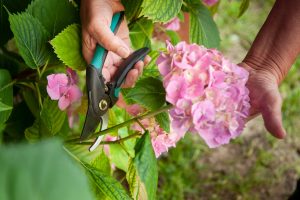
Use this quick reference before you grab your pruners:
- Hydrangea arborescens: Prune in early spring
- Hydrangea paniculata: Prune from late fall to early spring
- Hydrangea macrophylla and serrata: Prune only by early July
- New macrophylla selections: Deadhead as needed and finish stem pruning by early July
- Oakleaf hydrangea: Light shaping as needed, major pruning in spring
- Climbing hydrangea: Prune after flowering
Do Hydrangeas Need Pruning?
The good news is that most hydrangeas need very little pruning. In many cases, all they require is deadheading spent blooms and removing dead or damaged wood. Heavy pruning is only needed occasionally, depending on the variety and the plant’s condition.
Before pruning, identify your hydrangea type so you know whether it blooms on old wood, new wood, or both.
Choosing the Right Hydrangea for Your Garden
When choosing a hydrangea, pick a variety that suits your garden’s size and light conditions. Different hydrangea types have different care and pruning needs, so matching the plant to the space will make maintenance much easier.
How to Prune Hydrangeas by Type
Hydrangea arborescens pruning tips
Examples: Annabelle, Bella Anna, Incrediball, Sterile
Blooming period: June to August
Blooms on: New wood
Preferred light: Partial sun to partial shade
Hydrangea arborescens is one of the easiest hydrangeas to prune. Because it blooms on new wood, you can prune it in early spring without sacrificing flowers.
How to prune:
Cut stems back to about 12 inches in early spring if the plant needs rejuvenation. Remove spent blooms just below the flower head as needed during the season.
Hydrangea paniculata pruning tips
Examples: Grandiflora, Vanilla Strawberry, Tardiva, Quick Fire
Blooming period: Mid-summer through September
Blooms on: New wood
Preferred light: Full sun to partial shade
Panicle hydrangeas are flexible and forgiving when it comes to pruning.
How to prune:
Prune from late fall through early spring. You can cut these back hard, even close to the ground if needed. Deadhead spent flowers by trimming below the bloom.
Hydrangea macrophylla and serrata pruning tips
Examples: Nikko Blue, BloomStruck, Endless Summer
Blooming period: Early to mid-summer
Blooms on: Mostly old wood, though some newer varieties bloom on both old and new wood
Preferred light: Partial sun to partial shade
This is the group gardeners are most likely to prune at the wrong time. Since many of these varieties set flower buds on old wood, timing matters.
How to prune:
Deadhead spent blooms as needed. Complete any stem pruning by early July so the plant has time to set buds for next year.
Winter protection:
In late fall, protect plants with a chicken wire cage filled with leaves and straw. Remove the protection in March and apply mulch around the base.
New macrophylla hydrangea selections
Examples: All Summer Beauty, Endless Summer, Big Daddy
Blooming period: Summer, often reliably even after dieback
Blooms on: Old and new wood
Preferred light: Partial sun to partial shade
These newer bigleaf hydrangeas are more forgiving and can still bloom even after winter damage.
How to prune:
Deadhead throughout the season as needed. Finish stem pruning by early July for best flowering.
Oakleaf hydrangea pruning tips
Botanical name: Hydrangea quercifolia
Examples: Snow Queen, Pee Wee, Alice
Blooming period: Late May through July
Blooms on: Old wood
Oakleaf hydrangeas usually need only light shaping and cleanup.
How to prune:
Remove spent blooms and prune for structure as needed. If severe pruning is necessary, cut back in spring.
Climbing hydrangea pruning tips
Botanical name: Hydrangea anomala subsp. petiolaris
Examples: Climbing Hydrangea
Blooming period: Late June to early July
Blooms on: Old wood
Preferred light: Partial sun or shade
Climbing hydrangeas benefit from pruning to control shape and size.
How to prune:
Prune after flowering for shape. In early spring, remove any dead wood or damaged branches.
Essential Hydrangea Pruning Basics
Pruning hydrangeas can involve some trial and error, especially if you are not sure which variety you have. These basic tips will help:
- Remove spent flowers as needed
- Prune dead wood in spring
- Avoid heavy pruning unless the type can handle it
- When unsure, prune lightly rather than cutting too much
Common Hydrangea Pruning Mistakes
One of the most common mistakes is pruning old-wood hydrangeas too late in the season. This can remove flower buds before they have a chance to bloom. Another mistake is cutting all hydrangeas back the same way. Since each type grows differently, pruning should always be based on variety.
When to Prune Hydrangeas
The best time to prune hydrangeas depends on the variety:
- Spring pruning: Best for hydrangeas that bloom on new wood, such as arborescens and paniculata
- After blooming or by early July: Best for old-wood bloomers like macrophylla, serrata, and many oakleaf hydrangeas
- After flowering: Best for climbing hydrangea when shaping is needed
Final Thoughts on How to Prune Hydrangeas
Most hydrangeas do best with minimal pruning. Once you know your hydrangea type and whether it blooms on old wood or new wood, pruning becomes much easier. Start with deadheading and removing dead wood, then make only the cuts your plant truly needs.
Need more help with hydrangea care? Ask our experts!