Clematis Pruning Made Easy
How to Prune Your Clematis
Trim at the right time, get more blooms. 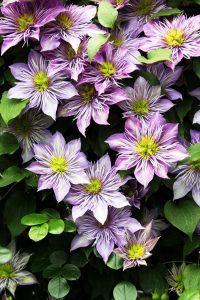
Clematis fall into three pruning groups based on when they flower. Find your group below and follow the quick steps.
SUCCESS TIP FOR CLEMATIS: Start Here
Not sure which group you have?
Think bloom time:
- Early spring blooms → Group 1
- Late spring / early summer blooms → Group 2
- Mid/late summer into fall blooms → Group 3
If your plant tag lists the variety name, match it to the examples below.
GROUP 1: Early Bloomers
Blooms: Early spring
Blooms on: Last year’s growth (old wood)
How to prune:
- After flowering, lightly trim
- Remove dead, damaged, or messy vines
- Avoid hard pruning (it can reduce blooms)
Common examples:
Clematis montana, C. alpina, C. macropetala, C. armandii
GROUP 2: Mid-Season Bloomers
Blooms: Late spring / early summer
Blooms on: Side shoots from last year’s growth
How to prune:
- Early spring (before new growth shows)
- Remove damaged vines
- Cut back to strong stems with plump/swollen buds
- Deadhead (remove spent blooms) during the season
Good to know: Heavy pruning may turn double blooms into single blooms.
Common examples:
Bees Jubilee, Nelly Moser, Vyvyan Pennell, Perle D’Azur, The President, Henryi, Ramona
GROUP 3: Late Bloomers
Blooms: Mid/late summer into fall
Blooms on: New growth
How to prune:
- Late winter or early spring (before growth starts)
- Cut stems back to healthy buds, about 6–12 inches above the ground
Common examples:
Clematis jackmanii, C. viticella, C. texensis, Prince Charles, Madame Julia Correvon, Ernest Markham, Hagley Hybrid
Have a question? Ask our plant experts.