Protect Your Boxwoods from Box Tree Moth in Cincinnati
Box Tree Moth (BTM) caterpillars feed on boxwoods (Buxus) and can defoliate shrubs quickly if left untreated. If you’re in Cincinnati, consistent scouting and fast action are key during the growing season.
What to Know About Box Tree Moth (BTM)
When is BTM active? 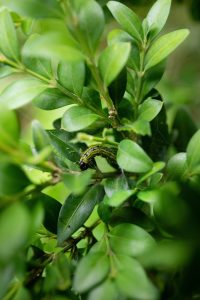
In our region, BTM activity generally ramps up from spring through fall with multiple, overlapping generations. Caterpillars emerge in spring, and activity can continue into October.
Common signs of infestation
Look for:
-
Chewed or “skeletonized” leaves
-
Webbing inside the shrub
-
Green caterpillars (often with darker striping)
-
Frass (tiny droppings)
-
Browning and thinning foliage
How to Protect Your Boxwoods 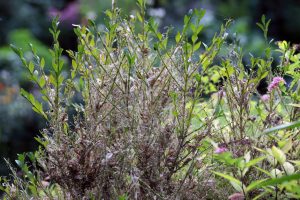
1) Start treatments in early April
Apply a thorough insecticide treatment in early April, then make a second application two weeks later. This helps control the first generation and reduce pressure from later generations.
Complete coverage is critical — spray inside and outside the plant, from top to bottom.
Hose-end sprayers are strongly recommended because they provide better insecticide penetration deep inside the shrub.
2) Inspect your boxwoods every week
Check even more often during warm, humid weather, when damage can increase quickly. Look carefully:
-
Deep inside the plant
-
On lower branches
-
In areas with webbing and leaf debris
3) Treat right away if you find caterpillars
If you see caterpillars — or if BTM has been confirmed nearby — treat promptly. Extension guidance recommends treating when an infestation is found, rather than spraying “just in case.”
Common home-garden treatment options include:
-
Bt(k) (Bacillus thuringiensis kurstaki) — works best on small, young caterpillars
-
Spinosad — effective on caterpillars at different stages and may last longer on and within leaves
-
Eight® — always follow the label for use on caterpillars and ornamentals
4) Spray thoroughly
This is where many treatments fail. Use a hose-end sprayer, tank sprayer, or ready-to-spray bottle and make sure to:
-
Soak leaves and stems well
-
Start deep inside the shrub, where caterpillars hide
-
Cover the entire plant completely
-
Follow all label directions for rate, timing, and safety
5) Check again after treatment
Monitor plants daily for a few days after spraying. When pressure is high, many programs recommend a follow-up treatment about 7 days later. Always follow the product label and local guidance.
6) Keep checking through fall
Continue inspecting weekly through October, then begin scouting again in April when activity resumes.
Can Boxwoods Recover After BTM Damage? 
Often, yes—if the stems are still alive. After the active growing season, you can rejuvenate-prune the plant by cutting the stems back, typically to 6–24 inches, depending on the plant’s size and the extent of the damage. Do this in late winter to early spring, or by mid-summer, to encourage new growth.
If Removal Is Needed (Reduce Spread Risk)
If plants are beyond saving:
-
Bag and seal infested plant material for disposal
-
Avoid moving loose clippings or debris around the yard
-
Ask our team about boxwood alternatives that keep the same clean, structured look
Have a Question? Ask Our Plant Experts.
We help homeowners identify BTM damage, choose the right treatment approach, and plan next steps for recovery or replacement.