Want More Holly Berries? Plant and Pollinate Deciduous Holly the Easy Way
If you want more berries on your deciduous holly, the secret is simple: plant it well, pair it with the right pollinator, and avoid a few common mistakes. Whether you are planting Winterberry holly for bright winter color or filling gaps in a foundation bed, proper deciduous holly pollination makes all the difference.
Planting Basics: Set Your Shrub Up for Success 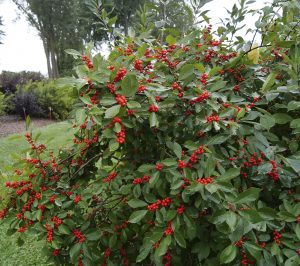
Healthy plants produce the best flowers and berries. Start with the right growing conditions:
-
Light: Sun to part shade
-
Soil: Well-drained soil is best
-
When to plant: Fall is ideal, though spring also works
-
Spacing: About 2–3 feet apart, depending on the variety
-
Finish strong: Add mulch, water to establish, and prune lightly as needed
Giving your holly a strong start improves flowering, plant health, and berry production over time.
The #1 Reason Hollies Don’t Berry
The most common reason hollies do not produce berries is simple: most hollies are either male or female, and only female plants make berries.
For reliable berry production, female plants usually need a nearby male pollinator. A common rule of thumb is 1 male plant for about every 5 female plants, though exact coverage depends on variety and bloom timing.
The key is not just having a male plant nearby. The male and female plants also need to bloom at the same time for pollination to happen.
Quick Winterberry Pollinator Matches
If you are planting Winterberry holly, these pollinator pairings can help improve berry set.
Winterberry Female + Male Pollinator Pairings
-
Afterglow → Apollo, Jim Dandy, or Raritan Chief
-
Berry Heavy → Jim Dandy
-
Berry Nice → Jim Dandy
-
Red Sprite → Jim Dandy or Raritan Chief
-
Sparkleberry → Apollo, Southern Gentleman, or Raritan Chief
-
Winter Red → Apollo or Southern Gentleman
When choosing a pollinator, make sure the bloom period matches your female variety. Early-blooming females need an early male, and later-blooming females do best with a later male.
Still Not Getting Berries? Common Causes
Even with the right male and female plants, poor berry production can still happen. Here are some of the most common reasons:
Late Frost
A late frost can damage flowers or very small berries before they mature.
Summer Drought
Dry conditions can reduce berry production. In many cases, berries are the first thing the plant sacrifices during stress.
Fertilizing Too Late
Late-season fertilizing can promote soft growth rather than support flowering and fruit set.
Off-Year Cycles
Some hollies naturally have a heavy berry year followed by a lighter one.
Bloom Timing Mismatch
Even if you have both male and female plants, they may not flower at the same time. Without overlapping bloom, pollination will be weak or fail completely.
How to Improve Holly Berry Production
To get better results from deciduous holly:
-
Plant in sun to part shade
-
Use well-drained soil
-
Water during dry periods, especially in summer
-
Match female plants with the correct male pollinator
-
Avoid late fertilizing
-
Be patient with natural year-to-year variation
With the right setup, Winterberry and other deciduous hollies can produce beautiful seasonal berries year after year.
Have a question? Ask our Experts!