Keep Your Magnolia Healthy
How to Treat and Prevent Magnolia Scale
Magnolias are beautiful, reliable landscape trees. Like many ornamentals, they can occasionally develop magnolia scale—a common and very manageable insect. 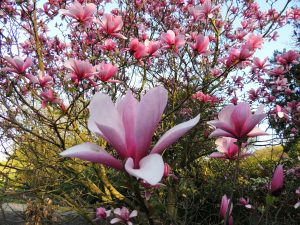
Why it matters
As the magnolia scale feeds on branches, it produces a sticky substance (honeydew) that can lead to:
- Sticky leaves or surfaces below
- Increased insect activity
- Black coating on leaves (sooty mold)
When managed at the right time, this issue is easy to control.
IDENTIFYING AND MANAGING
Prevention Starts with Plant Health
✔ Water during dry periods
✔ Avoid over-fertilizing
✔ Prune for sunlight and airflow
✔ Check branches periodically during the growing season
Healthy trees are naturally more resilient.
When to Treat
Timing is key for the best results:
- Late August: Apply horticultural oil or insecticidal soap when young crawlers emerge.
- Fall or Early Spring: Use dormant oil to reduce overwintering insects.
- After Spring Bloom: Apply systemic soil treatment if needed.
Always follow label directions carefully.
Grow with Confidence
Magnolia scale is common—but simple to manage with proper timing and care. With routine attention, your magnolia will continue to deliver stunning blooms year after year.
Questions? Ask our experts.