Curry Leaf Tree Care
Curry Leaf Tree Care: Grow More Leaves Indoors & Out 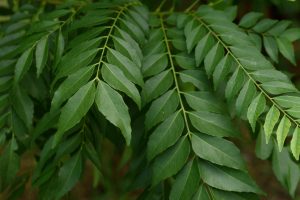
Curry leaf (Murraya koenigii) is a fragrant, evergreen plant grown for its flavorful leaves—perfect for South Asian cooking and more.
Quick-Care Checklist
- Light: Full sun is best—aim for 6–8 hours of direct sun daily. Indoors, place at a south-facing window.
Water: Water moderately. Let the top 1–2 inches of soil dry before watering again. Too much water can cause root rot—drainage matters.
Soil + Pot: Use well-draining potting mix in a pot with drainage holes (no soggy soil).
Temperature: Prefers warmth (65–90°F). Protect from frost.
Humidity: Likes some humidity—mist occasionally, especially indoors in winter.
Winter Worry: Yellow Leaves + Leaf Drop
In cold weather, curry leaf often yellows or drops leaves—that’s normal winter slowdown. The key is bringing it inside before temps dip.
Do this:
- Bring indoors before frost (curry leaf is not frost-tolerant).
- Place it in the brightest spot you have—ideally a south-facing window.
- Water less in winter: let the top 1–2 inches of soil dry before watering again.
- Keep it warm (avoid cold drafts and chilly windows at night).
Feeding + Pruning (How to Keep It Bushy)
Fertilizer: Use a balanced, water-soluble fertilizer every 4–6 weeks in spring/summer. Skip fertilizing in fall/winter.
Prune: Regular trimming helps it grow fuller (not leggy). Start once the plant is about 1–2 feet tall.
Repotting
Move up to a slightly larger pot every couple of years, ideally in spring when it’s actively growing.
Harvesting (Without Stressing the Plant)
Start harvesting once the plant is established with several branches.
Pick as needed, but don’t take more than ⅓ of the plant at one time.
Leaves can be used fresh or dried for later.
How to Use Curry Leaves
Rinse and pat dry.
Sizzle leaves in hot oil for a few seconds to release aroma, then cook as usual.
Use like a bay leaf: steep in soups/stews/sauces, then remove before eating (they can be tough to chew).
One Important Note: Make Sure You’re Buying the Cooking Plant
For cooking, you need Curry Leaf (Murraya koenigii)—this is the plant that produces the edible curry leaves used in recipes.
Don’t confuse it with the plant sometimes labeled “Curry Plant”—it may smell like curry, but it’s not the one you cook with.
Have a question? Ask our experts.