Cicadas in the Garden: What Gardeners Need to Know
Cicadas in the garden can be noisy, fascinating, and occasionally concerning—especially when young trees are involved. Learn what cicadas eat, whether they damage plants, how to protect 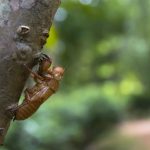 young trees, and what to do when cicada season arrives.
When cicadas emerge, there’s no missing them. Their distinctive chorus can fill the garden from morning through evening, while their papery shells appear on tree trunks, branches, fences, and garden structures.
Although cicadas may look intimidating in large numbers, there’s good news for gardeners: most established plants and trees can tolerate cicada activity with little lasting damage. Young trees and trees with small, tender branches need the most attention.
What Are Cicadas?
Cicadas are insects known for spending much of their lives underground before emerging as adults. Cicada nymphs live beneath the soil and feed on fluids from plant roots. When they mature, they emerge from the ground, climb onto nearby surfaces, and shed their outer skin.
The empty shells they leave behind are called exuviae. After emerging, adult cicadas spend their relatively short time above ground reproducing.
Unlike many garden pests, adult cicadas don’t chew holes in leaves or eat flowers. Their feeding habits and egg-laying behavior are what gardeners should understand.
Are Cicadas Bad for Plants?
For most gardens, cicadas are more of a temporary nuisance than a serious plant pest.
Adult cicadas use piercing mouthparts to feed on plant fluids, but established trees and shrubs typically withstand this activity. The bigger concern is female cicadas laying eggs in small branches.
To create places for their eggs, females make narrow slits in branches. On young trees or trees with slender branches, this can cause branch tips to wilt, turn brown, or die back.
This type of damage is commonly called flagging.
Fortunately, cicada damage is usually localized, and healthy trees can often recover with proper care.
What Plants Are Most Vulnerable to Cicada Damage?
Not every plant in your garden needs protection.
Cicadas are most likely to damage young trees with small branches. Newly planted ornamental and fruit trees can be particularly vulnerable.
Consider protecting:
- Newly planted trees
- Young ornamental trees
- Small fruit trees
- Trees with slender branches
- Recently grafted trees
- Young landscape trees that are still becoming established
Mature trees with larger, stronger branches generally don’t need the same level of protection.
How to Protect Trees From Cicadas
If cicadas are expected in your area, protecting young trees is one of the simplest ways to reduce potential damage.
Use Fine-Mesh Netting
Cover the canopy of vulnerable young trees with fine-mesh insect netting before cicadas become active.
Make sure the mesh is fine enough to prevent cicadas from reaching the branches. Secure the netting around the trunk so insects can’t crawl underneath.
Avoid loose or large openings that could allow cicadas to enter or become trapped.
Protect Young Trees, Not Your Entire Landscape
There’s no need to wrap every tree in your yard.
Focus your attention on the trees most likely to be affected. Mature shade trees and established landscape trees can generally handle cicada activity without significant long-term problems.
Remove the Netting After Cicada Activity Ends
Once cicada activity has subsided, remove protective netting so the tree can continue growing freely and pollinators and other wildlife can easily access the plant.
What Do Cicadas Eat?
Understanding what cicadas eat helps explain why they aren’t typical garden pests.
Cicada nymphs feed underground on fluids from plant roots. Adult cicadas also use piercing mouthparts to feed on plant fluids, but they don’t chew leaves, flowers, or fruit like caterpillars, beetles, or other common garden pests.
That means you shouldn’t expect to see the characteristic holes and shredded foliage associated with leaf-eating insects.
Do Cicadas Eat Flowers and Garden Plants?
Cicadas aren’t interested in eating your flowers.
Your coneflowers, hydrangeas, hostas, daylilies, annuals, and other ornamental plants generally don’t need special protection simply because cicadas are present.
You may see cicadas resting on stems, leaves, flowers, tree trunks, and other surfaces throughout the garden. Their presence doesn’t necessarily mean they’re damaging the plant.
Should You Use Insecticide for Cicadas?
For most home landscapes, insecticide isn’t necessary to control cicadas.
Because cicadas are seasonal and their activity is temporary, protecting vulnerable young trees with physical barriers is generally a more targeted approach than treating the entire landscape.
Broad-spectrum insecticides can also harm beneficial insects, including pollinators and other insects that support a healthy garden ecosystem.
Instead, inspect your landscape regularly and focus protection where it matters most.
What Are the Cicada Shells on My Trees?
Those strange, hollow shells attached to tree trunks are one of the most recognizable signs of cicada season.
A cicada nymph climbs out of the soil and attaches itself to a tree, fence, plant, or other vertical surface. It then sheds its outer skin and emerges as an adult.
The empty shell remains behind.
If you find cicada shells in your garden, there’s no need to remove them. They are simply evidence that cicadas have completed one stage of their life cycle.
What Does Cicada Damage Look Like on Trees?
Cicada damage is usually easiest to spot on young trees.
Look for:
- Brown or wilted branch tips
- Small slits along young branches
- Drooping shoots
- Dead branch tips
- Localized branch dieback
The damage can make a tree look worse than it actually is. In many cases, healthy trees will recover and produce new growth.
What Should You Do if Cicadas Damage Your Tree?
After cicada season, inspect young trees carefully.
If you find dead or damaged branch tips, prune them back to healthy wood using clean, sharp pruning tools. Continue providing appropriate water and care while the tree recovers.
Avoid removing healthy branches simply because cicadas were present.
A little patience goes a long way. Healthy trees are often capable of recovering from minor cicada damage.
Are Cicadas Helpful to the Garden?
Cicadas are an important part of the natural ecosystem.
They provide food for birds and other wildlife, and their emergence contributes organic material to the environment. Their discarded shells eventually break down and return nutrients to the soil.
Their sudden appearance also provides a fascinating opportunity to observe a natural life cycle happening right in the garden.
When Will Cicadas Go Away?
Cicada activity is temporary. After adults emerge, mate, and lay eggs, the familiar chorus eventually fades.
The exact timing varies by cicada species and local emergence.
Once activity decreases, remove tree netting, inspect young trees for damage, and return your attention to enjoying the garden.
Enjoy Cicada Season in the Garden
Cicadas may be loud, but they don’t have to be a gardening disaster.
Protect young trees, skip unnecessary insecticides, watch for branch damage, and let established plants do what they do best—grow.
And when those unmistakable shells begin appearing on tree trunks, take a closer look. What may initially seem like a garden nuisance is actually one of nature’s most remarkable transformations happening right outside your door.
Quick Cicada Garden Checklist
When cicadas arrive:
- Check young trees for activity.
- Protect vulnerable trees with fine-mesh netting.
- Inspect slender branches regularly.
- Don’t worry about protecting most flowers and established plants.
- Avoid unnecessary broad-spectrum insecticides.
- Leave cicada shells where they are.
After cicada season:
- Remove tree netting.
- Inspect branches for damage.
- Prune dead or damaged tips.
- Continue caring for newly planted trees.
- Give your landscape time to recover.
The garden will be back to normal before you know it—and the cicadas will leave you with a fascinating reminder of the life happening all around us.